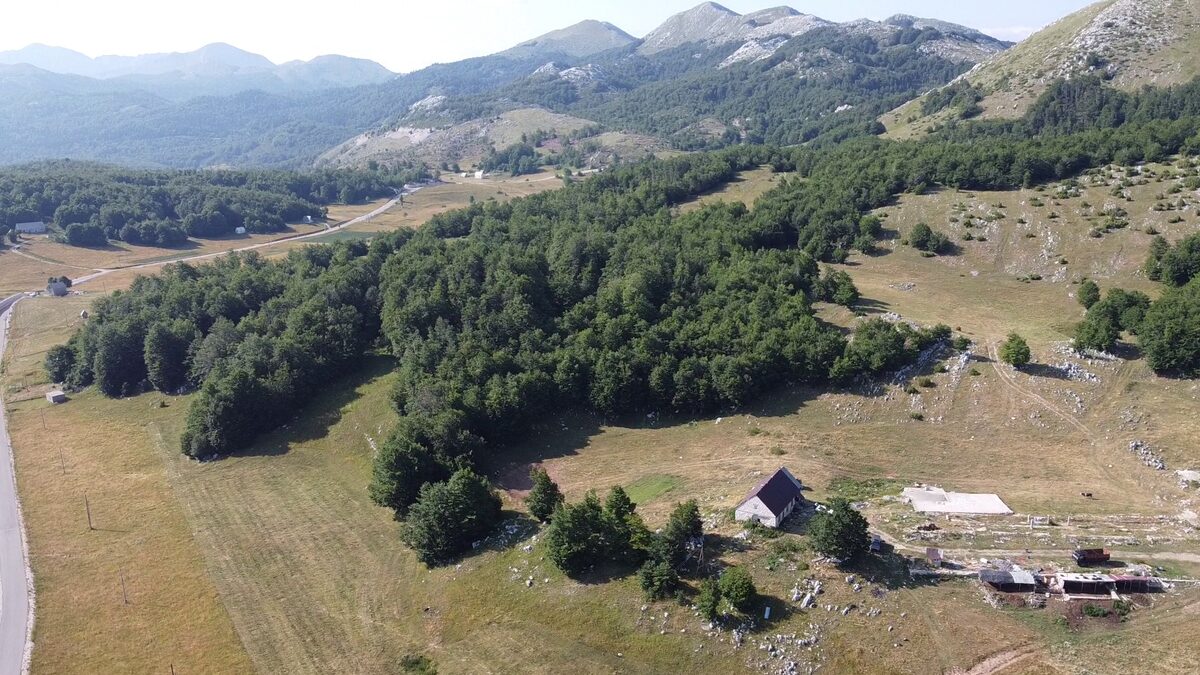
A working farm in the Montenegrin mountains is a natural base for agritourism. Guests come for the landscape, the food and the farm itself, and the EU helps pay for the guest side of the business. Under the IPARD program's rural tourism measure, a registered farm can receive 60% of the eligible cost of guest accommodations, dining space and equipment, and up to 75% in qualifying cases.
What the grant covers
Measure 7.1 supports rural tourism projects with eligible costs of €10,000 to €200,000, excluding VAT:
- 60% standard grant
- 70% for qualifying young farmers, certified organic producers and collective investments
- 75% ceiling where the additional conditions are met
The grant pays for the investment: building or converting guest accommodations and dining space, and fitting them out. Buying the land or an existing building is not covered.
The limits keep projects small and personal:
- up to 10 rooms and 20 beds for an individual farmer, or 15 rooms and 30 beds for a company
- up to 30 seats for food and drink
- separate provisions for camping, while land for a glamping site covers the site and category questions
As an example, a €150,000 guesthouse project at 60% qualifies for a €90,000 grant, leaving €60,000 as your share. An advance of up to half the grant, €45,000, is available against a bank guarantee for 110% of it.
Where it applies
Rural tourism support covers Montenegro's 13 northern municipalities and other locations above 600 meters. Outside that area, the only route is a tasting room on a vineyard or olive grove, with at least 0.5 hectares of vines or 0.3 hectares of olives, owned and in the same cadastral municipality as the project.
Who can apply
The measure is for registered farm holders: individual farmers and qualifying micro and small businesses, including a company registered as an agricultural holding. Under the current rules, applicants must also have established entitlement to qualifying farm support (direct payments, market support or rural development support) before the call is published. Registering a farm shortly before applying does not by itself satisfy that condition.
The grant is designed for working farms that add guests. For a new owner, the path is clear:
- Buy the land, through a Montenegrin company if you are a foreign buyer. The foreign buyers guide explains how.
- Register the holding and start farming: hay, livestock, bees or crops. Farming in Montenegro covers registration and support.
- Claim national farm support from the first season to build the record.
- Once that support record exists, apply in the next rural tourism call with the guesthouse project.
A company has two advantages here. It gets the larger limit of 15 rooms and 30 beds. For a foreign buyer, it is also already the owner of the project property, which the beneficiary must own by final payment. If your company has foreign shareholders, ask the IPARD authority to confirm eligibility in writing.
Plan before you build
Settle the accommodation category, the permits and the building's legal status before commissioning detailed designs. Building on rural land and restoring a stone house cover those checks. Then:
- Wait for the grant contract before starting work or signing with builders and suppliers. Quotes for the application are fine.
- Use independent suppliers at reasonable prices, with no family or ownership links.
- Budget for what the grant leaves out: VAT, your own labor, used equipment, running costs, interest and guarantee charges.
- Allow for time. Contracting, building and the payment checks run over several seasons, and the grant arrives after the work. The Development Bank of Montenegro's dedicated IPARD loan can bridge the gap. It charges 4.0% to 4.5% and runs for up to 12 years, with up to four years' grace.
- Plan to run it for five years. The guesthouse must stay in its approved use for five years after final payment.
When to apply
Rural tourism calls are published on the agriculture ministry's IPARD portal and usually stay open for about 60 days. The ministry's 2026 calendar included a second rural tourism call under IPARD III, and the program can pay projects until the end of 2030. Before buying or commissioning plans, ask the ministry for written answers on eligibility, giving your proposed activity, applicant structure, farm history, municipality and parcels, investment amount and financing.