What the wind farms show
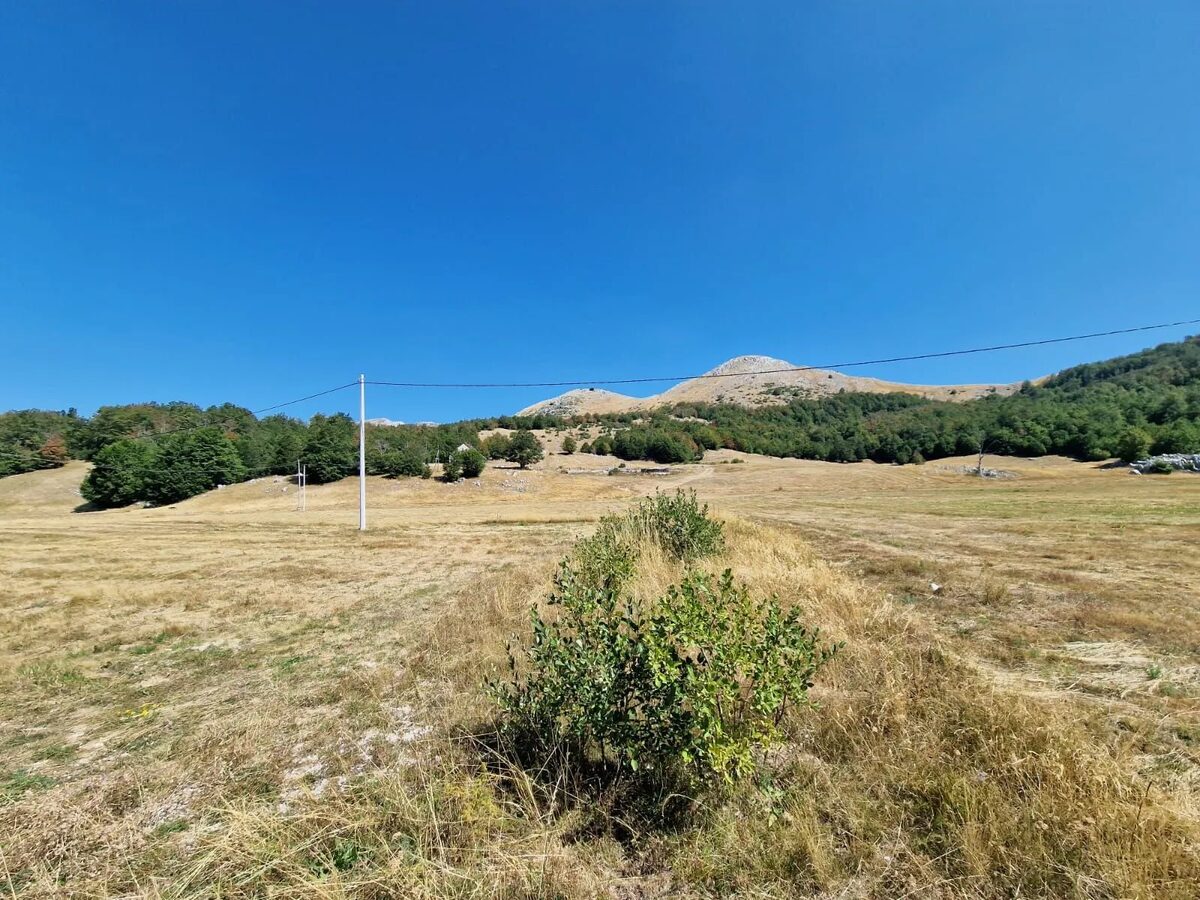
Krnovo and Gvozd have made wind power part of the landscape around Nikšić. The two wind-farm projects offer useful background for developers considering other sites.
Those projects show how much work sits behind an electricity connection. EBRD’s Gvozd documentation describes transmission lines, substations, land acquisition and environmental studies alongside the turbines. Its financing program also includes a second phase, which should be distinguished from the initial installation.
A developer considering another site needs measurements of wind speed, direction, turbulence and icing at relevant heights. Terrain affects both output and the cost of getting turbine sections, cranes and foundations into position. Nearby generation helps identify questions to investigate; it cannot establish the output of a different ridge.
Grid connection and planning
Start discussions with CGES or CEDIS according to the proposed connection. Obtain a mapped connection point, available capacity, technical requirements and a cost estimate. At the same time, check the spatial-plan designation, environmental screening, access rights and any restrictions affecting neighboring land. The rural building guide explains why cadastral land use alone cannot answer the planning question.
Lease or purchase
For a lease, the contract needs to address surveys, construction access, rent during each project stage, cable routes and restoration when the project ends. Purchase gives the developer ownership, together with the holding’s continuing obligations.
Solar
Solar has its own site questions: usable slope, shading, snow cover, structural snow loads and winter access. An annual sunshine figure is insufficient for sizing the system or forecasting winter output.
Data centers
Data centers are the newest claim on green power. At the EU and Montenegro investment conference in October 2025, Prime Minister Milojko Spajić said Montenegro wants to be the country of green data centers, pointing to its hydro, wind and solar resources and to the digital links with Italy, where Milan is one of the EU's largest data-center hubs, and said that partners from the United States, the United Arab Emirates and elsewhere had shown interest. For a landowner on the Krnovo plateau the relevance is indirect but real: a site beside two wind farms and the high-voltage lines that serve them, with cool summers at 1,400 meters, is the kind of location a developer screens for. The screening questions are those of a generation project in reverse: firm power capacity at the connection point, a fiber route, water or air for cooling, road access for heavy equipment and a planning designation that allows an industrial building. The three state power companies are already consolidating their own operational data center at the former Nikšić steelworks, a sector facility rather than a commercial campus.